On September 17, Level-5 apologized for errors and human mistakes in some promotional videos (PVs) unveiled at "LEVEL5 VISION 2026 II," which were attributed to the use of generative AI. The company stated that going forward, AI use will be limited to efficiency improvements, and they will "avoid direct use" of AI in videos delivered directly to users.
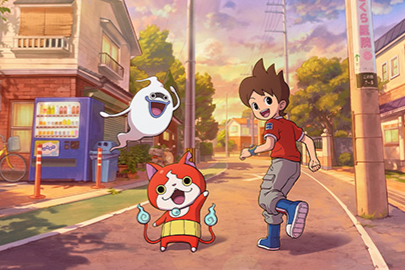
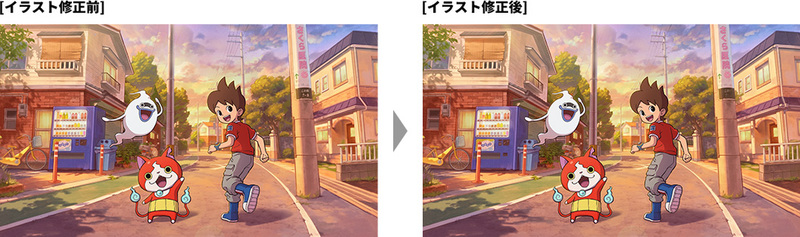
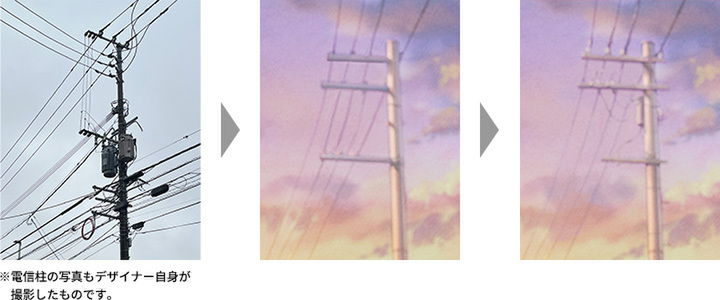
Regarding the image illustration for "Yo-kai Watch 2 Hado," there were criticisms that unnatural elements like power lines and vending machines might have been AI-generated. The company explained that the power lines were hand-drawn by designers, and the vending machines were human errors resulting from the omission of details. However, they admitted to "careless AI use" in some other videos.
CEO Akihiro Hino had also apologized on X on September 12, explaining that "processing that also served as an experiment with the latest AI" was incorporated into the videos to make the presentation more spectacular. He emphasized that scenarios, character designs, and fundamental settings were created by humans, and the games to be released would not contain "careless AI output data."
【Regarding AI use・LEVEL5 VISION 2026 II】 This time, regarding the videos within the event, because AI was used... — Akihiro Hino (@AkihiroHino) September 12, 2026
While the adoption of generative AI is progressing in the game industry, there remains strong opposition to its use in creative elements that users directly interact with, such as characters and backgrounds. Steam also requires developers to declare content that uses generative AI.
Level-5 aims to accelerate development efficiency with AI, setting a goal to shorten the development of major titles from the current approximately five years to two years. However, they will cease using AI in user-facing videos. This decision appears to be a compromise, balancing the benefits of efficiency with the strong aversion many game fans have towards AI.