Sanyo, a company that provides and maintains office equipment, PCs, servers, and networks primarily in Hiroshima Prefecture, has adopted Dropbox as the file infrastructure for its Office Equipment Business Division. This decision was made in response to the challenge of updating its aging file servers. The company gradually migrated approximately 200GB and 400,000 files, establishing an environment where necessary information can be easily accessed from PCs, tablets, and smartphones while maintaining a user experience similar to the previous system.
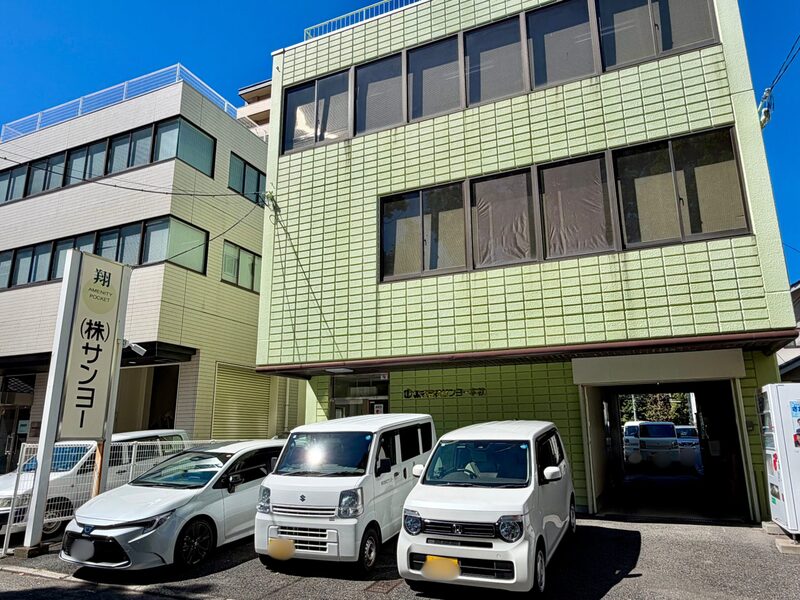
Headquartered in Kannonhonmachi, Nishi-ku, Hiroshima City, Sanyo has supported the business environments of local companies for over 60 years since its founding. In addition to its headquarters, it has bases in Minami-ku, Hiroshima City, and Kure City. Internally, the company has progressively moved sales management, groupware, customer management, and file sharing to the cloud. The last remaining challenge was the file server for the Office Equipment Business Division, which faced concerns about end-of-life support and potential failures, and also required ransomware countermeasures and improved external accessibility.
The decisive factors for adopting Dropbox were its file recovery function and its usability through Windows File Explorer. Compared to web-centric operations, it was highly evaluated for its ability to be handled with a feel similar to traditional file servers, thereby reducing the burden on users. Furthermore, as files can be accessed not only from PCs but also from tablets and smartphones, necessary files can be quickly accessed even when out of the office or on-site. While other cloud storage solutions were compared during the selection process, Dropbox was chosen for its ease of daily operations and continuous management.
The implementation began with a small-scale verification, starting with 3 licenses, then adding 17 more, and at the time of the interview, they were using 20 licenses of Dropbox Standard. The migration involved approximately 200GB and 400,000 files, but by proceeding in stages, the switchover was completed within one month. After implementation, external file access became easier while maintaining the familiar File Explorer interface, and synchronization between devices became smoother. Moving forward, Sanyo plans to expand its use to other business divisions, broadening its application as a business infrastructure.