![The Definitive Guide: Top 5 Affordable High-End Smartphones for 80,000 to 120,000 Yen! [October 2026 Edition]](https://ascii.jp/img/2026/10/15/4539178/x/d97c19d2c653d3bc.jpg)
Smartphone prices continue to soar. Many people likely want to prioritize smooth operation and camera performance, but find 150,000 or 200,000 yen simply too much. This has led to the recent emergence of a new category: "affordable high-end smartphones" priced between 80,000 and 120,000 yen.
This class also includes what's known as the "mid-high" range. It offers products perfect for those who value camera quality and smooth operation, but don't need the absolute top-tier specifications.
Performance for daily use is excellent, and they are relatively affordable. We'll introduce key points for choosing an "affordable high-end smartphone" in the 80,000 to 120,000 yen range, along with the editorial team's top 5 recommended devices. Be sure to check them out!
Key Points for Choosing an Affordable High-End Smartphone (1) [Basic Performance]: All are more than sufficient, but check storage capacity
Smartphones in the 80,000 to 120,000 yen "affordable high-end" category generally offer performance that ensures comfortable daily use. With 8GB of RAM or more being standard, you won't experience slowdowns even with many apps installed. Even the latest demanding games should run without issues, provided you're not insistent on maximum graphics settings.
If there's one thing to be mindful of, it's storage capacity. With the surge in semiconductor prices, manufacturers seem to be struggling in this area. Currently, 256GB models are dominant, while the more affordable Pixel 10a model mentioned later comes with 128GB. Some recent games can be tens of gigabytes or more, and those who shoot a lot of videos might quickly fill up their storage. This point requires attention.
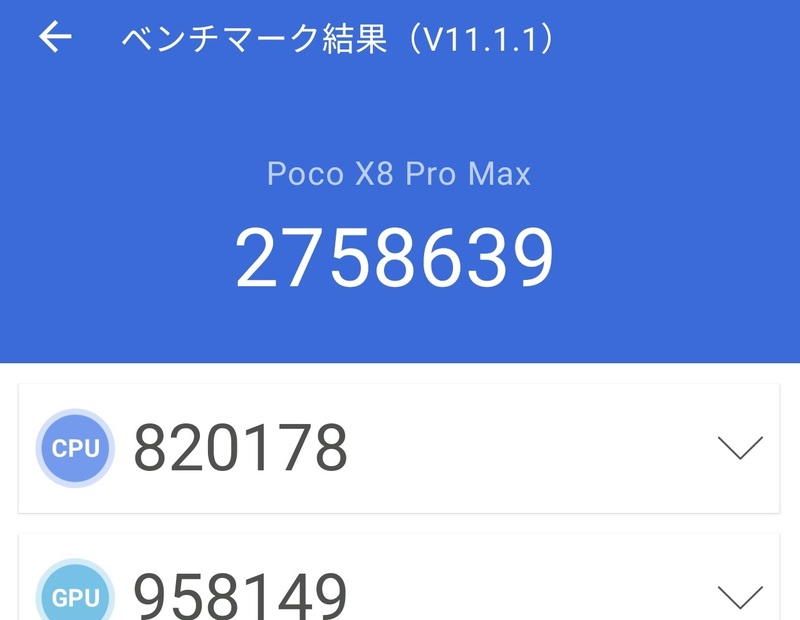
The smartphones introduced here primarily achieve scores of over 1.5 million points on the Antutu benchmark app. This guarantees comfortable daily use and allows you to play the latest games without issues.
Key Points for Choosing an Affordable High-End Smartphone (2) [Camera Performance]: Excellent for daily use, but do you need a telephoto lens?
Cameras on smartphones in this class are generally excellent across all products, capable of taking beautiful photos of meals or during travel. Furthermore, some products, like the Xiaomi 17T Pro, feature Leica-collaborated cameras, allowing you to capture "flavorful" photos that are surprisingly good for a smartphone.
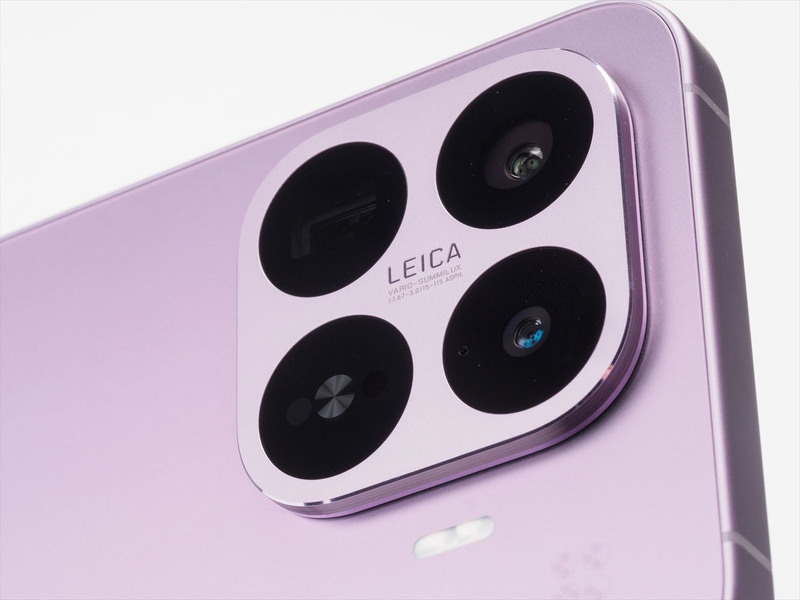
Some smartphones feature Leica-collaborated cameras. They not only offer high camera performance but also capture unique, distinctive photos.
The main difference, if any, lies in whether a "telephoto lens" is included. Even products without a dedicated telephoto lens can capture distant subjects using digital zoom, but the image quality will naturally be inferior. This is a point to check if you frequently take high-magnification telephoto shots.
Key Points for Choosing an Affordable High-End Smartphone (3) [Design]: Pay attention to color and size
Even though they're "affordable" high-end, these are still purchases in the 80,000 to 120,000 yen range. You'll want to carefully consider whether it will become your favorite device. Design is crucial here, including color and whether the size feels right for you. Smartphones that feel "too big" or "too heavy" are difficult to operate, and a screen that's "too small" making text hard to read is also problematic. We recommend trying them out in-store before making a purchase.
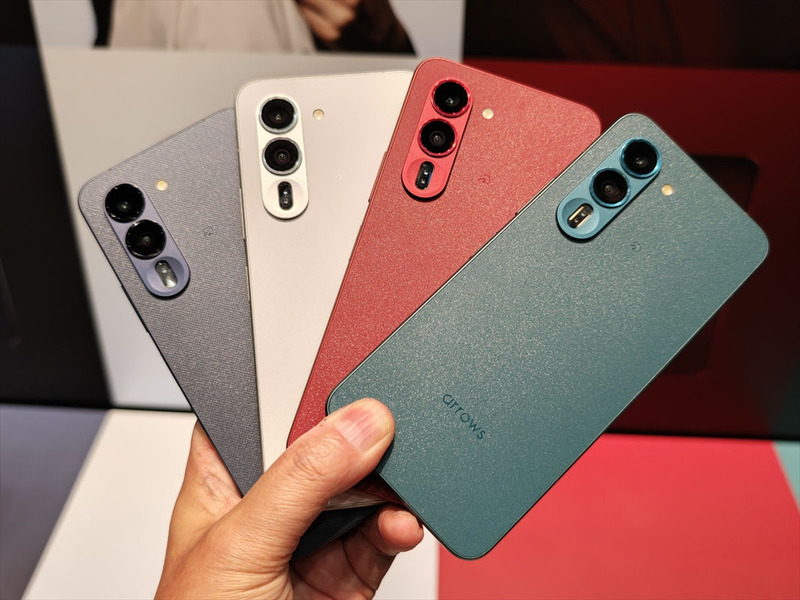
Choosing a smartphone with a size that fits you and a design you like is extremely important.
On the next page, we'll introduce the editorial team's top 5 recommended affordable high-end smartphones!
[Affordable High-End Smartphone #1] Google 'Pixel 10a': Still high cost-performance even after price increase to 90,000 yen range, a long-lasting excellent student
The affordable version of Google's popular "Pixel" smartphone. Its price has slightly increased since launch, now starting from 92,800 yen. Despite this, its cost-performance remains unchanged. It features the same CPU as the previous generation's flagship model and was one of the first to include AirDrop-compatible functionality. In addition to the latest Android features, it comes with a 7-year update guarantee, ensuring long-term, worry-free use.
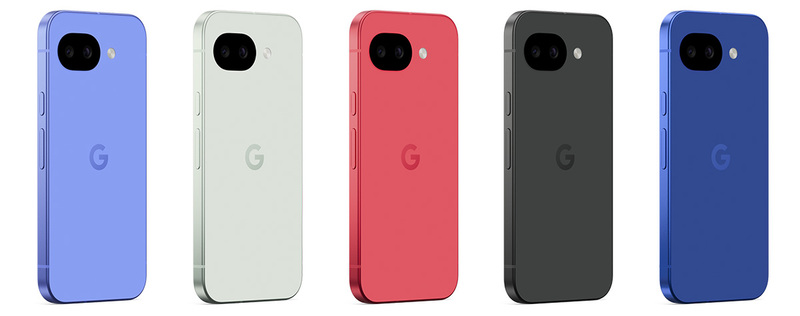
Five colorful options are available, including the Japan-exclusive 'Isai Blue'.
While some aspects, like the camera, may not be considered extremely high-performance, Google's expertise in software processing compensates for this. It also widely includes features essential for Japanese users, such as Osaifu-Keitai (mobile payment) and water resistance, making it recommended for iPhone users considering their first Android device. Its availability through the four major carriers plus sub-brands (UQ, Y!mobile) also makes it easy to acquire at a good price in stores.
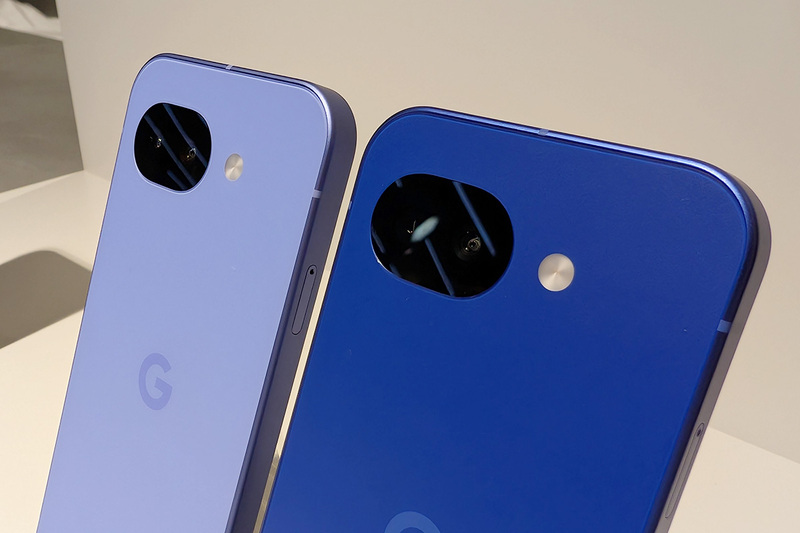
The elimination of the camera bump and the completely flat back are unique attractions of the Pixel 10a, not found in other smartphones.
[Affordable High-End Smartphone #2] FCNT 'arrows Alpha2': A device designed with Japanese users in mind, with improved design!
FCNT (derived from Fujitsu's mobile phone division) is a prominent domestic smartphone manufacturer. Although now under Lenovo's umbrella, it continues to attract more attention than ever, thanks to its excellent cost-performance while thoroughly incorporating features for Japanese users.
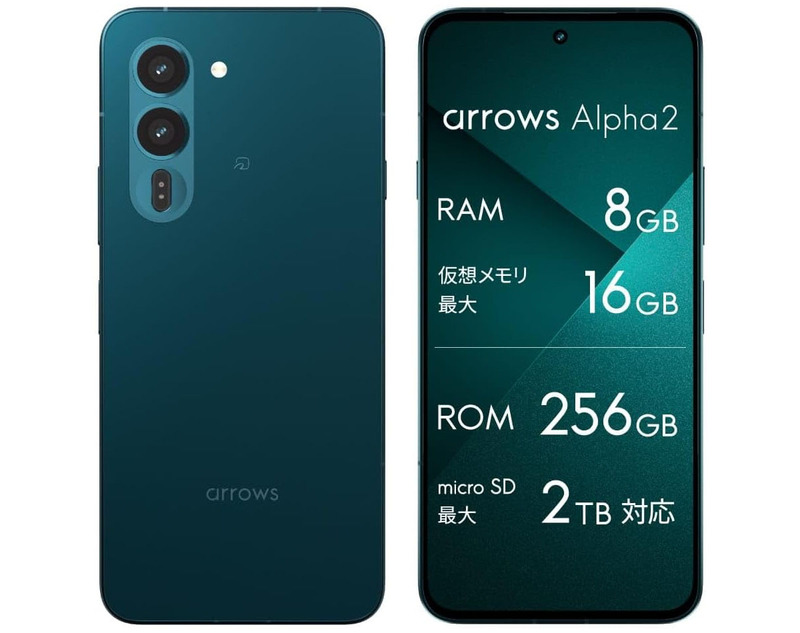
The design, which was frankly... questionable in the previous model, has evolved. Its flat body offers both great aesthetics and usability.
The company's flagship model is the "arrows Alpha2". While its performance hasn't significantly changed from the previous "arrows Alpha" model and the price has slightly increased, the robustness and Japan-specific features inherited from the arrows series remain intact. Its comfortable size of approximately 72mm width and 187g weight, along with support for hand soap washing, are unique aspects of a Japanese manufacturer.
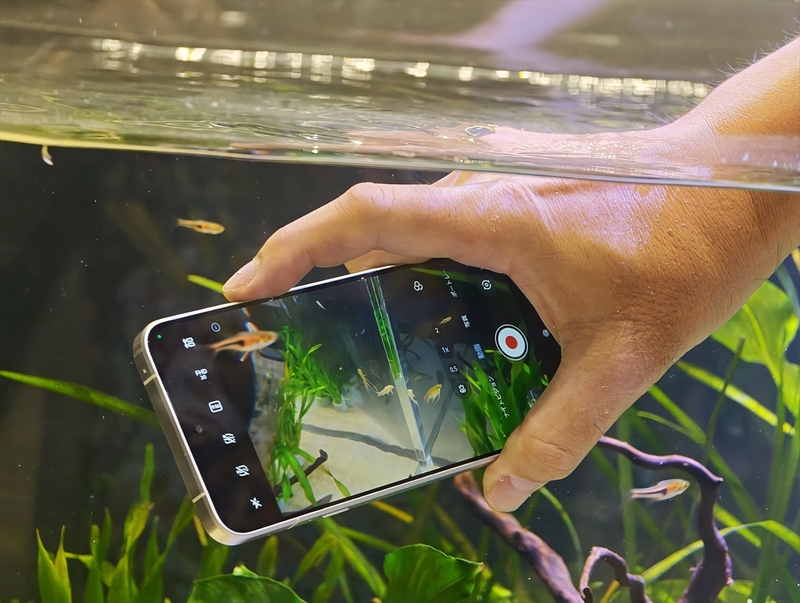
It also boasts an unusual feature: the ability to take photos underwater.
Despite having only two cameras, it features a large Sony-made sensor, making it strong in low-light photography. It's often sold for around 85,000 yen on e-commerce sites (for the 8GB+256GB model), and at that price, it's a definite buy!
[Affordable High-End Smartphone #3] Xiaomi 'Xiaomi 17T Pro': Xiaomi's high-end, Leica-collaborated camera is exquisite!
Xiaomi's semi-high-end device, known for its high cost-performance. While its standard price is 139,800 yen, it's often sold for around 120,000 yen during sales periods. This device's main selling point is its camera. It features a triple-camera setup, with a high-performance main camera, plus a 5x telephoto lens, supporting high-magnification zoom. Co-developed with Leica, it has a reputation for capturing "flavorful photos" even when shooting in auto mode.
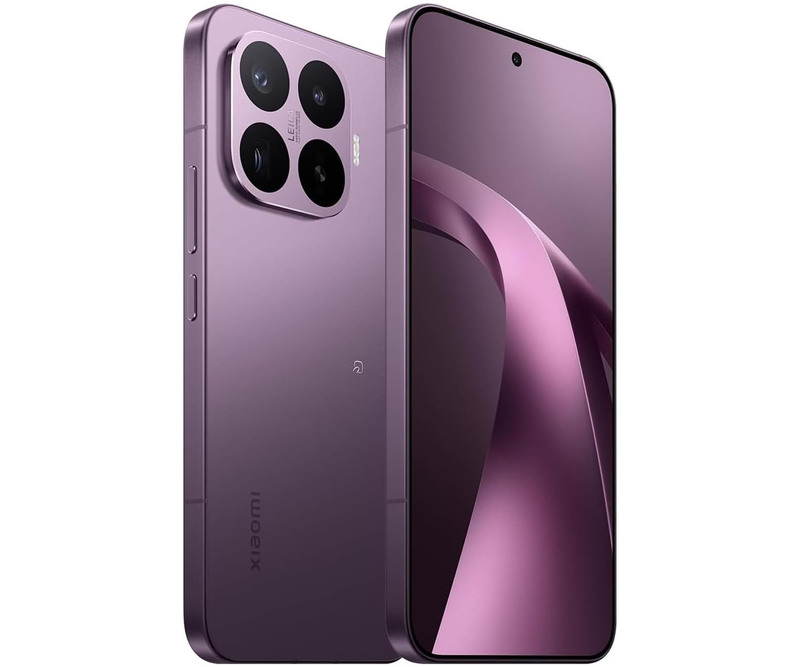
The Xiaomi 17T Pro features a camera co-developed with Leica and adopts a flat design.
Other aspects are also high-end class. It's an "all-in-one" model with a high-performance CPU, display, a large 7000mAh battery, water and dust resistance, and Osaifu-Keitai. It's a device that should attract not only camera enthusiasts but also anyone looking to get a high-performance smartphone for under 150,000 yen.
[Affordable High-End Smartphone #4] Xiaomi 'POCO X8 Pro Max': Powerful CPU, ultra-large battery, a device specialized for younger users
Xiaomi's 'POCO' series offers smartphones specialized in CPU, display, and battery, catering to users who enjoy long hours of gaming and video.
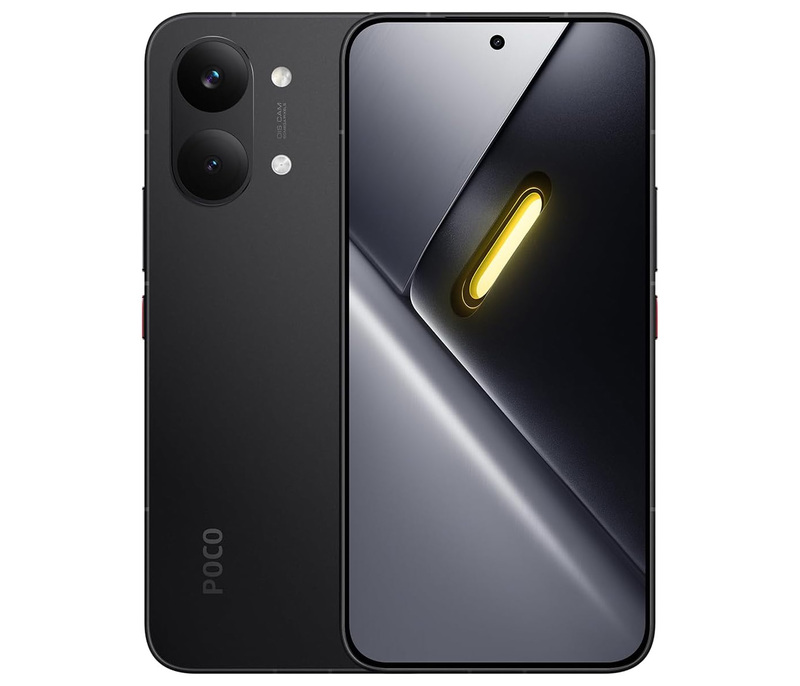
Rather than being an all-rounder, the POCO series specializes in smartphone usage patterns common among younger users, such as gaming and video viewing. The 'POCO X8 Pro Max' is one of its high-performance models.
The 'POCO X8 Pro Max' is another device with such "sharp" specs. Priced at around 80,000 yen during sales, it boasts top-tier processing performance among current smartphones, achieving an Antutu score of 3 million points. Furthermore, its 8500mAh battery is comparable to a mobile power bank (and can actually charge other devices).
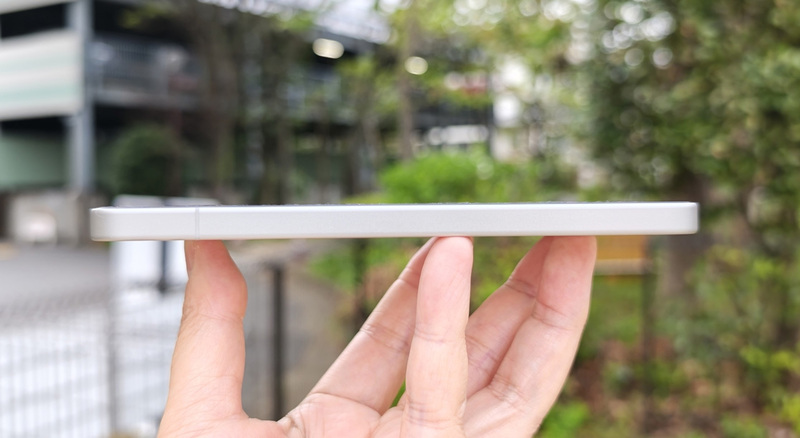
Despite packing an 8500mAh battery, it measures 8.2mm thick and weighs 218g. It's not excessively bulky or heavy.
On the other hand, its camera performance is moderate, and it doesn't support Osaifu-Keitai. However, if your primary use for the camera is uploading to social media, it's sufficient, and if you use QR code payments for cashless transactions, there are no issues. This product will likely appeal strongly to its target audience.
[Affordable High-End Smartphone #5] Apple 'iPhone 17e': When it comes to an affordable iPhone, is this practically the only option!?
With price revisions, there are no longer any iPhone models under 100,000 yen among current devices. If price is your priority, the 'iPhone 17e' is practically your only choice.
Differences from higher-end models include having a single camera and a larger display notch. However, it features the same 'A19' CPU as the 'iPhone 17', meaning it not only supports Apple Intelligence features but also runs the latest games smoothly. Whether a single lens is sufficient (i.e., lacking ultra-wide or telephoto capabilities) will likely be the biggest deciding factor.
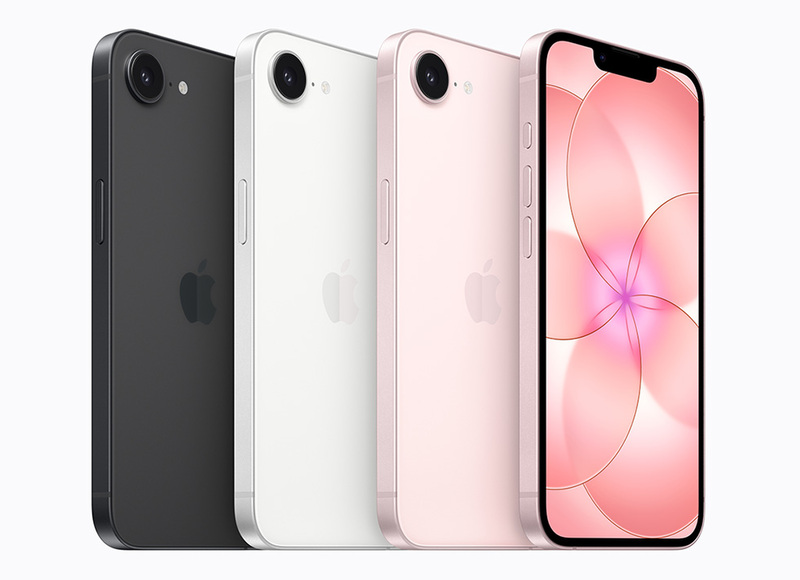
When it comes to an affordable iPhone, it's the 'iPhone 17e'. Even so, it starts from the 120,000 yen range, but you can potentially use it with less financial burden by purchasing through a carrier.