Sharp has announced the AQUOS sense11, the new model in its popular mid-range AQUOS sense series. It will be released on November 26th. This article will primarily feature photos from the media briefing.
A 9g Weight Reduction Thanks to Developers' Incredible Efforts – Definitely a Plus!
First, the chassis. While retaining the distinctive design with its free-form camera module, the new model is even thinner and lighter than its predecessor (AQUOS sense10) (approx. 8.9mm → approx. 7.6mm, approx. 166g → approx. 157g). The 9g weight reduction is particularly noticeable. In an era where smartphones weighing over 200g are commonplace, this device feels so light that you might even exclaim, "It's so light!" or "Is there anything inside?" It could easily be called the device's greatest appeal.
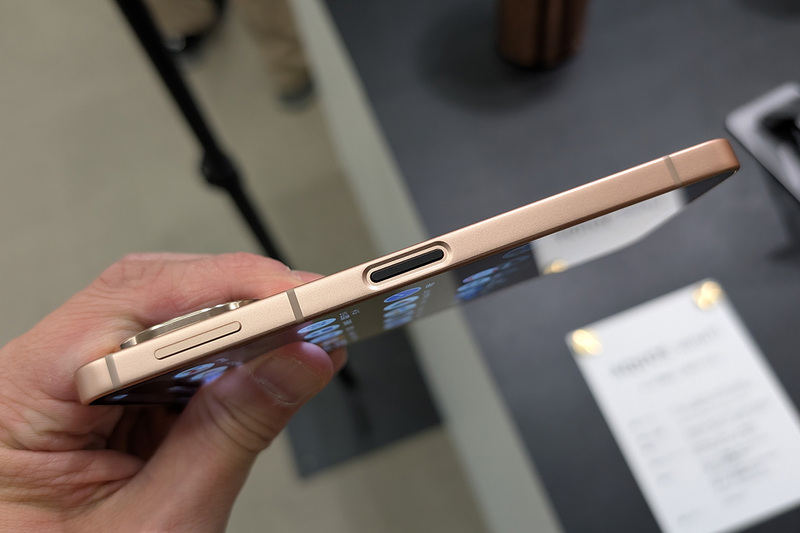
Thickness is now in the 7mm range.
This was made possible by the immense efforts of the development team. For thinning, the circuit board was reduced in size by 5mm vertically. This allowed for a thinner battery pack, which was then expanded vertically to maintain the same 5000mAh capacity as the previous model. For weight reduction, thorough optimization was carried out, including miniaturizing the circuit board and its supporting components, and even cutting parts of the key mechanisms. Of course, durability has not been sacrificed.
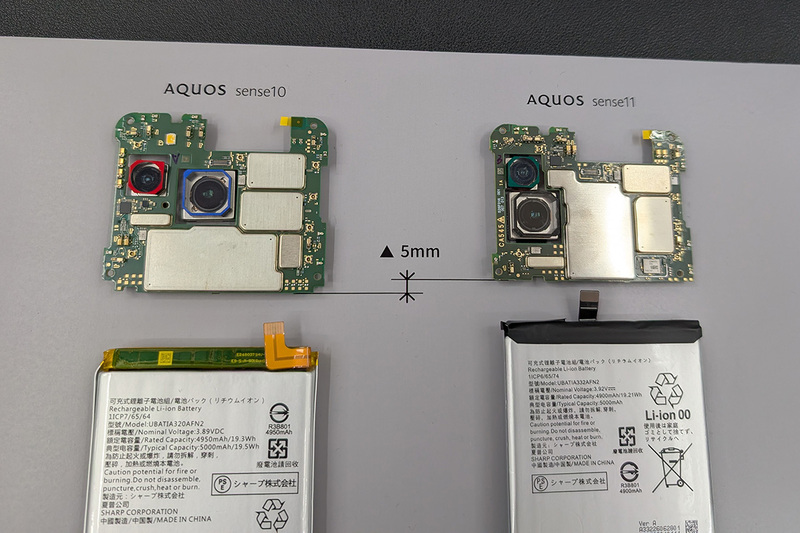
Miniaturizing the circuit board allowed for both a thinner profile and the retention of battery capacity. It was reportedly challenging not just to miniaturize it, but to shorten it vertically.
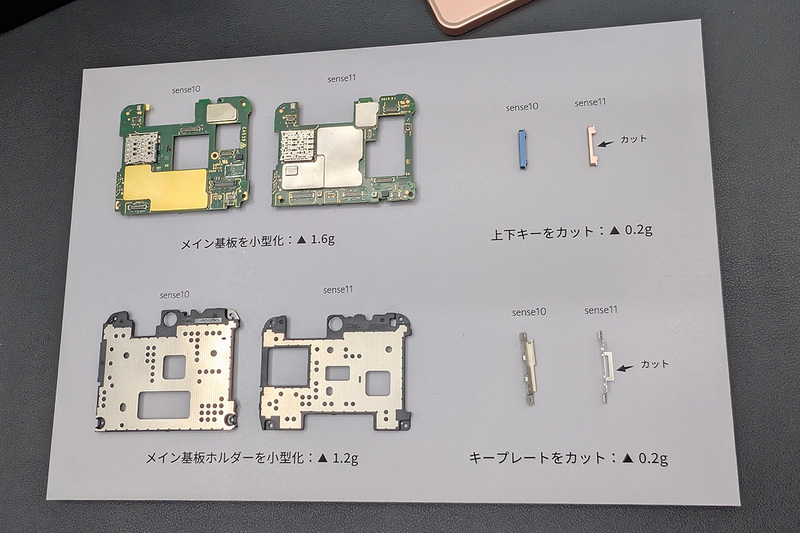
The approximately 9g weight reduction is the result of numerous small optimizations.
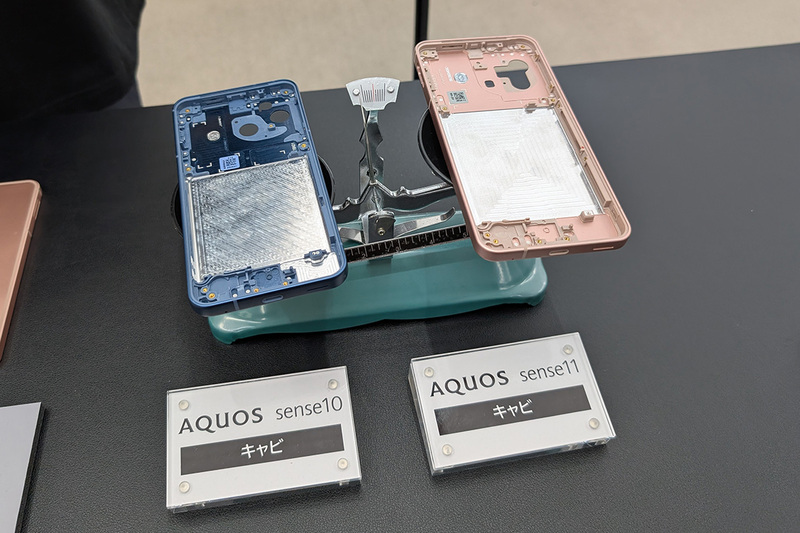
The unibody chassis is also lighter than the previous model.
Camera Hardware Specs Unchanged, But Image Processing Enhanced – Continuous Shooting from 3 to 10 Frames is a Big Deal
Regarding the camera, it retains the same dual-lens configuration as the previous model: a 50.3-megapixel standard lens with a 1/1.55-inch sensor, plus another 50.3-megapixel wide-angle lens. However, with an eye on higher-end models, the image processing has been refined to move away from "smartphone-like" photos. This includes intentionally not over-brightening dark scenes and preserving noise where appropriate.
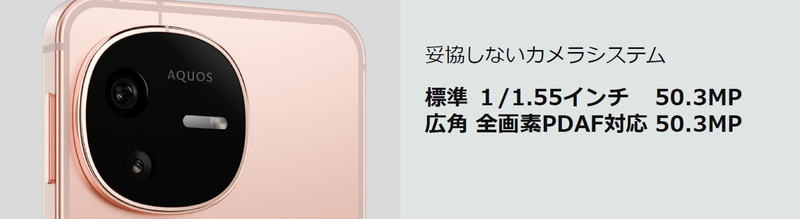
The standard lens still uses a 1/1.55-inch sensor, same as the previous model.

Image processing aims to transcend the mid-range category.
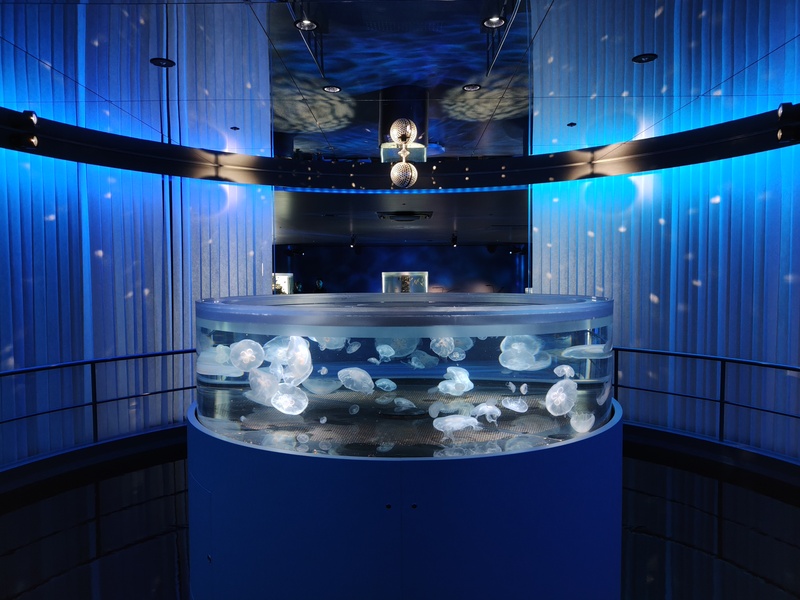
The aim of this shift in direction, as explained, is to create a product that makes users think, "Oh, wow!" and "I made a good purchase," especially as smartphone prices continue to rise, making them a significant investment. Below are some sample photos taken with the actual AQUOS sense11.


Furthermore, there's another significant evolution in the camera. While previous AQUOS sense series models offered satisfactory image quality, continuous shooting was limited to a maximum of three frames, highlighting a gap compared to higher-end models. To address this, the AQUOS sense11 leverages its standard 8GB RAM, DDR5 memory, and UFS 3.1 storage to optimize system processing, enabling continuous shooting of up to 10 frames. This transforms the camera into one that can "shoot smoothly and quickly."
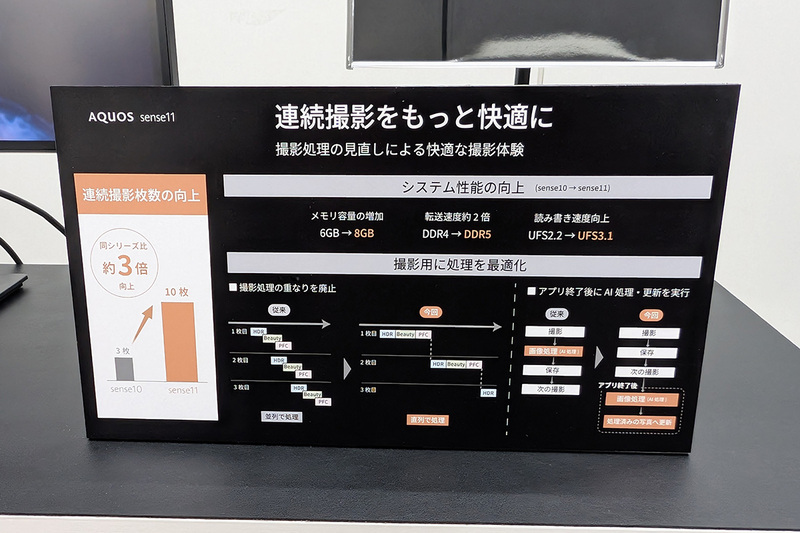
Optimized processing enables 10-frame continuous shooting.
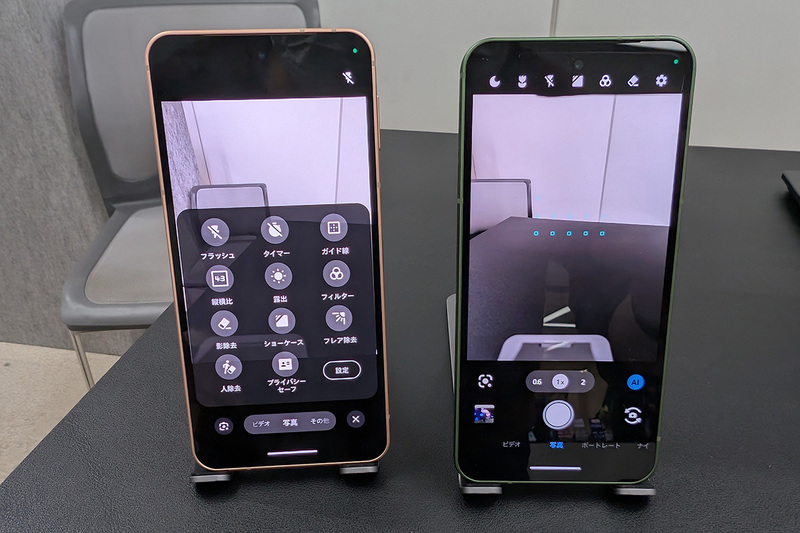
The camera app UI has also changed. While the sense10 (right) had icons lined up at the top of the screen, the sense11 (left) places most of them within a menu, balancing ease of use with advanced functionality.
Design with Added Premium Touches in Fine Details – Interesting Addition of "Akarium" for Color-Coded Notifications and Calls
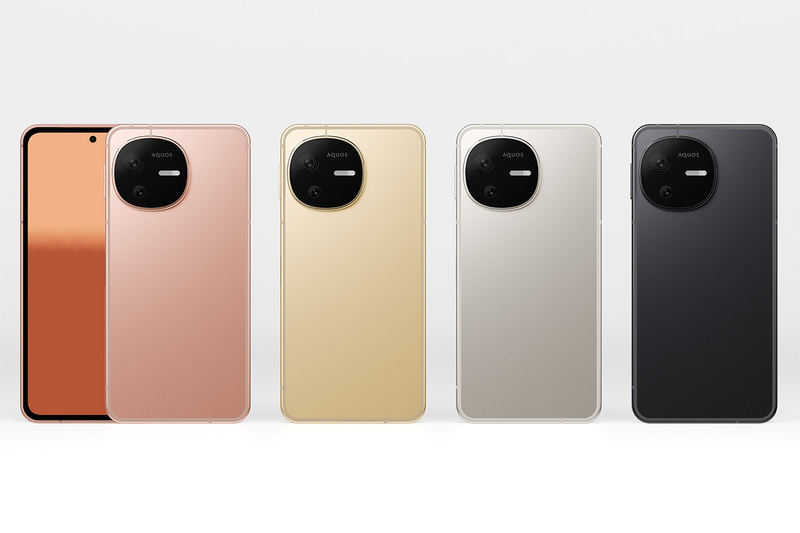
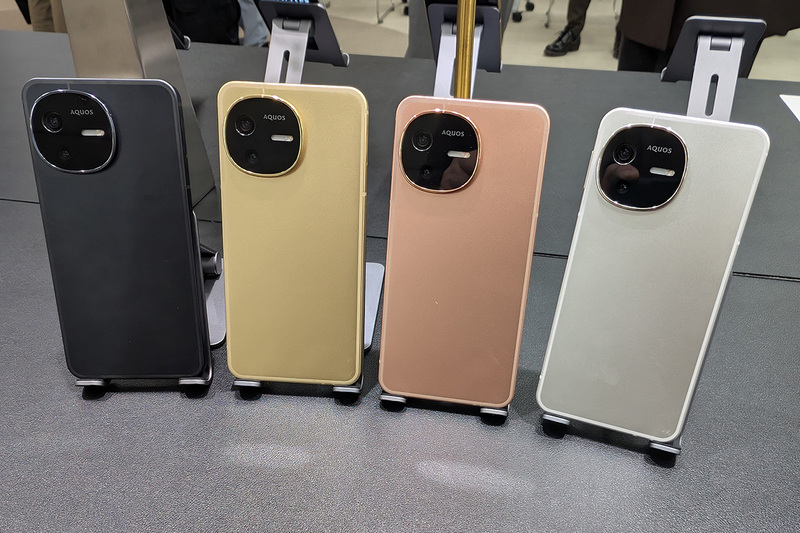
In terms of design, four colors are available: Copper, Gold, Silver, and Black. While the appealing simplicity of the design remains, metallic embellishments around the camera module enhance its premium feel. Although this added 1g to the weight, it was a deliberate choice by the planning team.
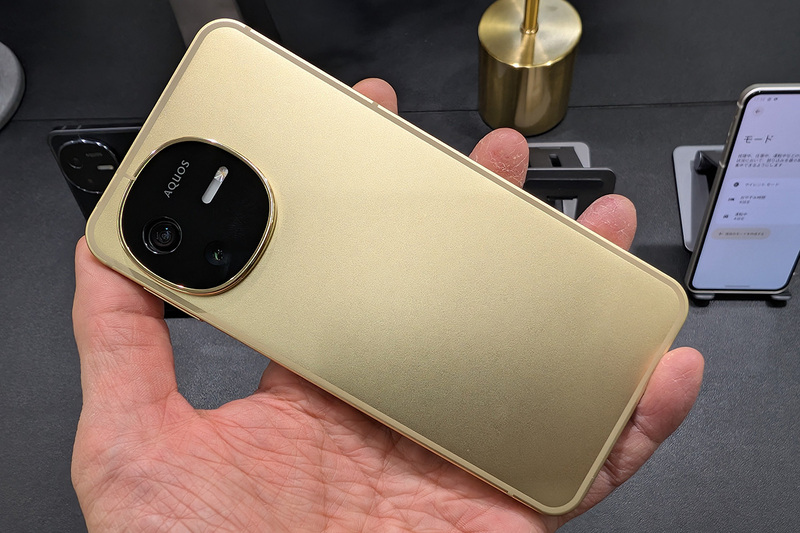
The simple exterior is also one of this device's charms.
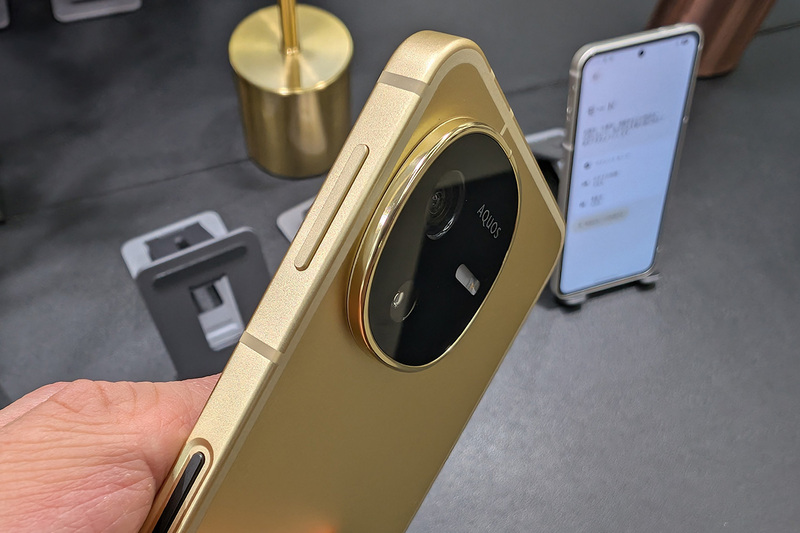
The sides of the lens module also feature decorations matching the body color.
Another interesting point is the adoption of "Akarium" in this model, a feature previously seen in the high-end AQUOS R11, which uses soft colors and sounds to notify users of notifications and incoming calls.
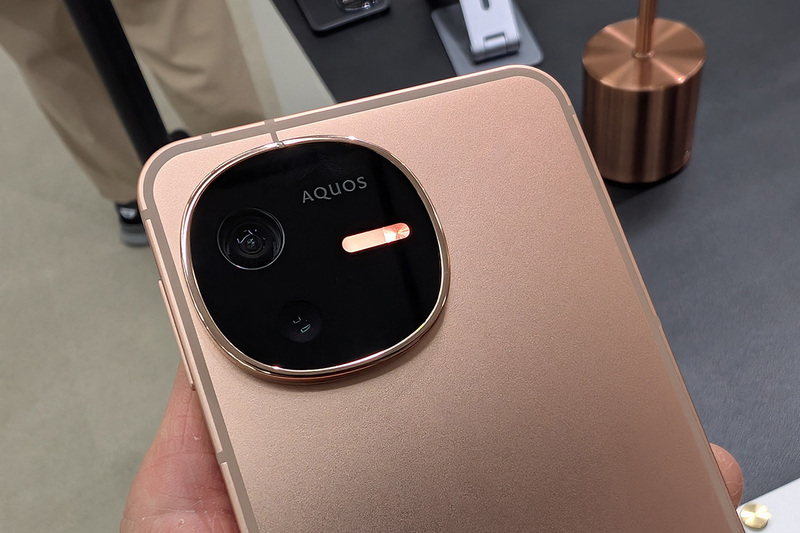
With "Akarium," you can identify who is calling by color.
SoC Unchanged from Previous Model, 8GB RAM Now Standard – "Reliable Long-Term Use" is a Strength in an Era of Rising Prices
Other key specifications include a 6.2-inch Pro IGZO OLED display (1080×2340, 1-240Hz variable refresh rate), Snapdragon 7s Gen 3, 8GB+128GB or 12GB+256GB memory/storage, a 50.3-megapixel (1/1.55-inch) standard camera + 50.3-megapixel wide-angle camera, a 5000mAh battery, microSD support, FeliCa, IP69 water and dust resistance, a side-mounted fingerprint sensor + face authentication (mask compatible), and Android 17. The SoC remains the same as the previous model, but water and dust resistance has been enhanced to IP69, which is resistant to high-pressure water jets.
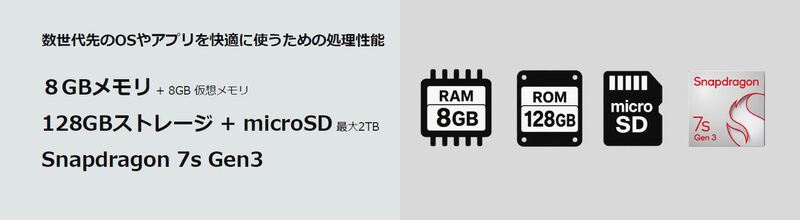
8GB RAM is now standard. The SoC is the same as the previous model.
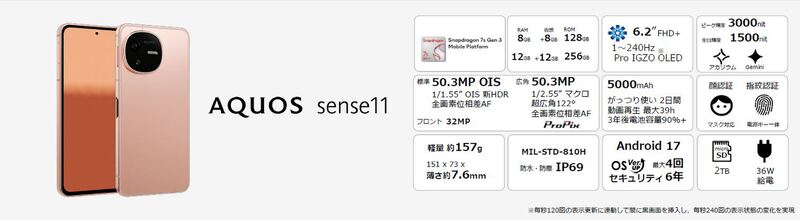
Main specifications list.
Compared to the previous model (6GB+128GB model at ¥62,700, 8GB+256GB model at ¥69,300), the price has increased by approximately ¥20,000 to ¥30,000, with the 8GB+128GB model priced at ¥94,600 and the 12GB+256GB model at ¥119,900. However, it remains an easy-to-use device with more than sufficient features and long-lasting durability, making it easy to recommend. Precisely because smartphone prices are rising, the ability to "use it reliably for a long time" could be a significant strength.
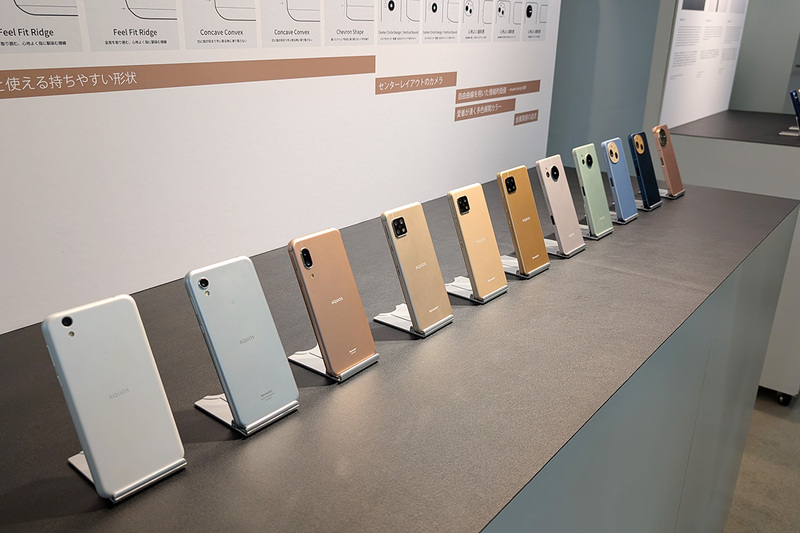
Past AQUOS sense models were displayed at the venue.
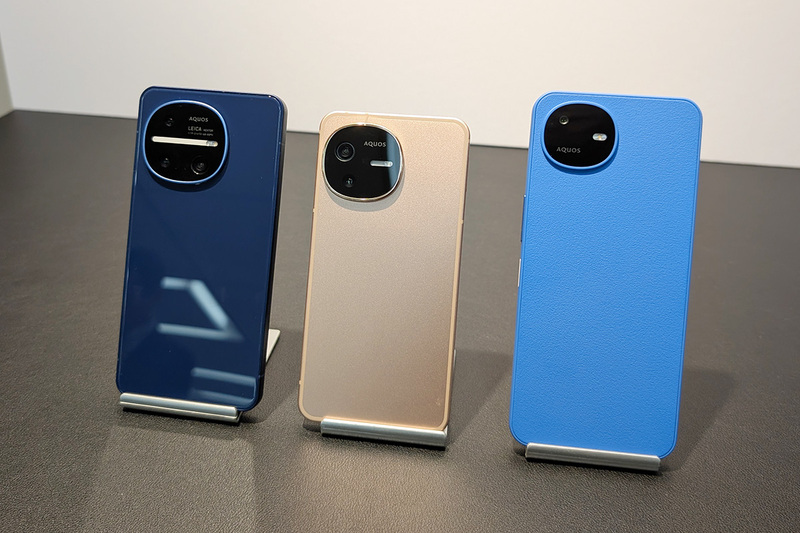
The AQUOS smartphone lineup now consists of three models: AQUOS R11, AQUOS sense11, and AQUOS wish6.