
Recently, I purchased a large-screen foldable smartphone, and taking this opportunity, I reviewed my business applications. With the larger screen, I wanted to differentiate between what I would run as a dedicated app and what I would use via a web browser.
The result was that the only apps I kept were overseas SaaS solutions like Google, Slack, and Zoom. Unfortunately, many domestic SaaS apps struggled with their user interfaces, so I decided to use them in a web browser, just as I would on a PC.
I believe apps are a fatal flaw for domestic SaaS. While I'm not a UI/UX expert, domestic SaaS apps often have too many menus, making operations that are typically easy on a PC difficult, and it's hard to find the necessary information. Overseas apps, on the other hand, offer smooth navigation and have a low barrier to everyday use.
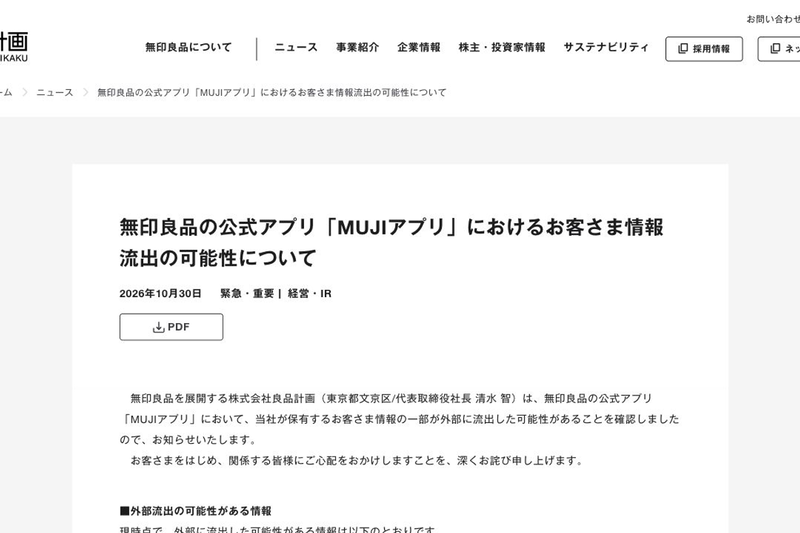
Many domestic SaaS vendors are currently scrambling to integrate AI, but shouldn't they reconsider their apps first? If they aren't focusing on them, these apps could become a hotbed for unauthorized access, so they should be discontinued. Furthermore, there's also the recent option of headless SaaS, which delegates the user interface to AI.
Ibisa Otani is the Cloud and IT editor for ASCII.jp and editor-in-chief of TECH.ASCII.jp. He has been involved in editing publications such as "Internet ASCII," "ASCII NT," and "NETWORK magazine," and has held his current position since 2011. With the keyword "IT is also entertainment," he strives to deliver enjoyable, user-centric information. Since 2017, he has launched "ASCII TeamLeaders" and continues to pursue the ideal vision for SaaS utilization and work styles.