
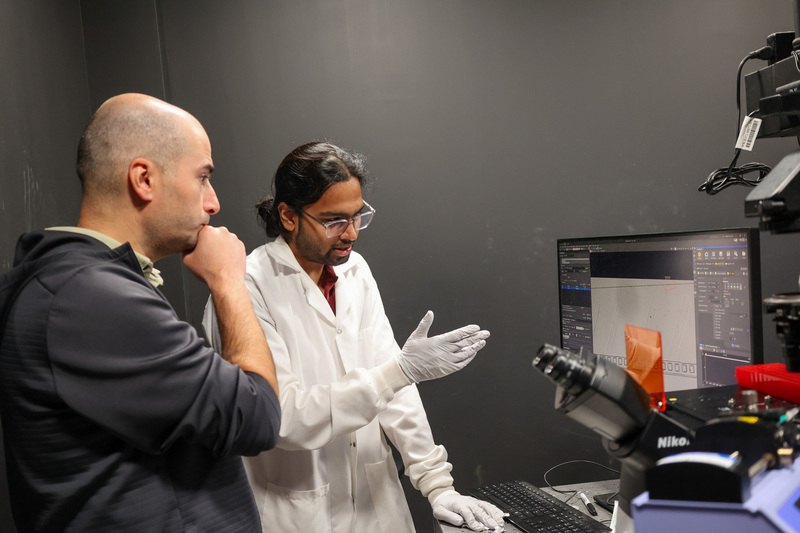
A chip that stores information like a computer, but using water flow – such a remarkable device has been developed by a research team at Yale University in the U.S. The research findings were published on October 9 in the scientific journal "Physical Review X," and the university introduced the research content on the 14th.
Conventional memory typically holds information by utilizing electrical states. However, the newly developed chip reportedly stores information using microscopic channels through which liquid flows, and soft fibers placed inside them.
The chip features microscopic channels with a depth approximately half the thickness of a human hair, within which flexible fibers (microfibers) are arranged. When liquid flows, the fibers deform due to pressure, switching between two stable states. By correlating these states with the '0' and '1' of memory, information is stored.
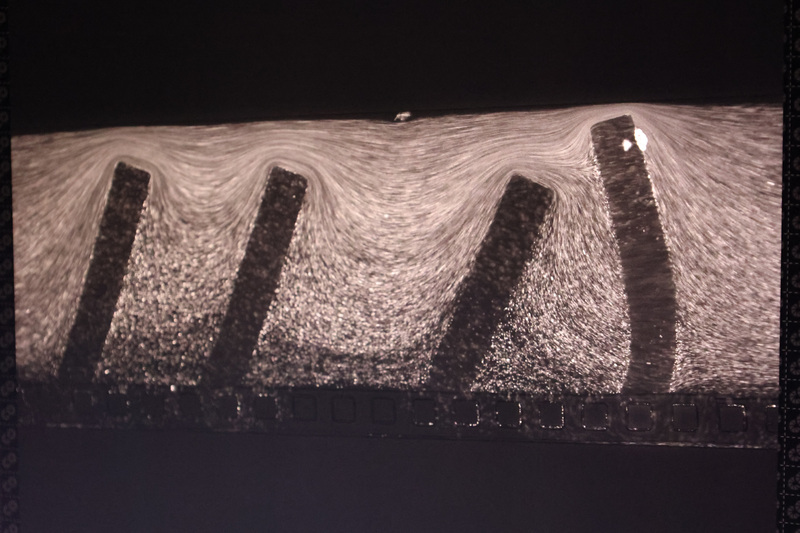
Furthermore, even if the liquid flow changes, the state of the fibers retains the influence of past flows. This allows the chip to retain, in the state of its fibers, what kind of “flow” it has previously experienced. It was also confirmed that by combining multiple fibers, their respective states influence each other, leading to more complex memory behaviors.
The research team anticipates applications in "soft robots" made from flexible materials. By transmitting information through liquid flow and pressure instead of electronic circuits, and controlling movement using flexible fibers, there is a possibility of realizing robots that can operate even in environments where electronic devices are difficult to use due to electromagnetic interference, for example.
Moreover, it is also suggested that this could provide clues to understanding how brainless organisms, such as plant roots, fungi, and slime molds, alter their behavior based on past experiences.